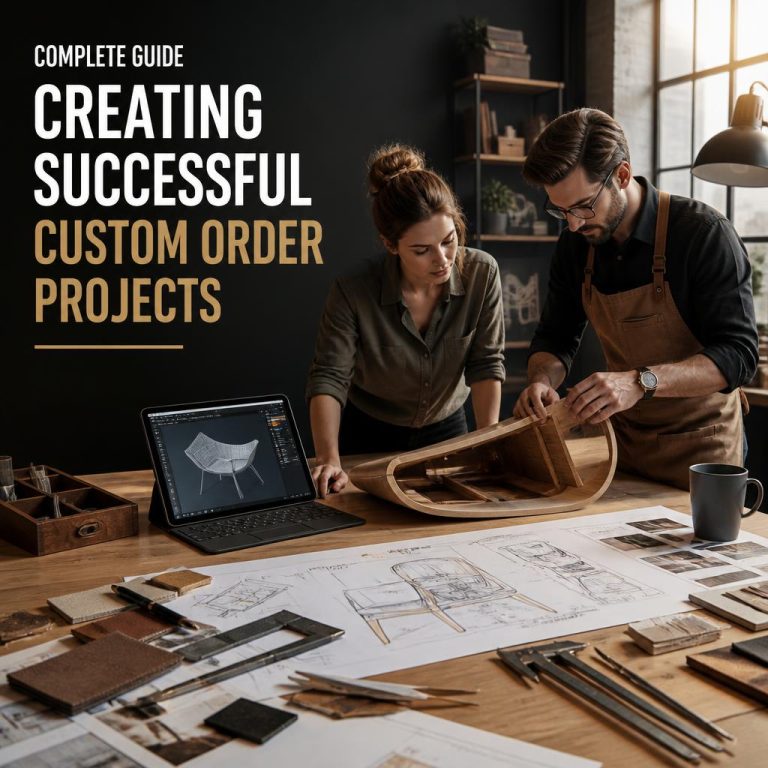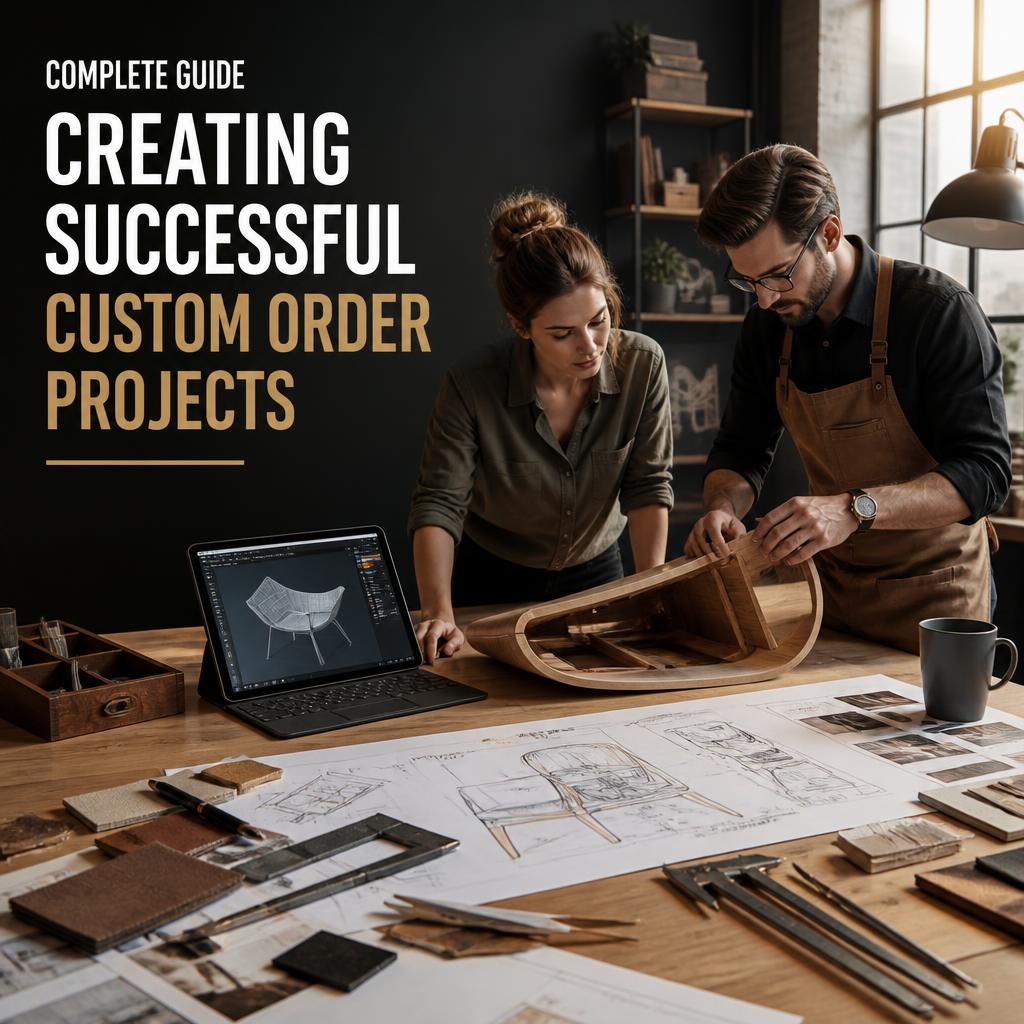
Complete Guide Creating Successful Custom Order Projects is a practical approach for businesses, creators, and brands that want to deliver personalized products with better planning, smoother communication, and stronger customer satisfaction. In today’s competitive market, customers no longer only search for standard products. They want items that represent their personality, needs, and unique preferences. A well-managed custom project can transform a simple idea into a valuable product that builds trust and long-term relationships. – lalunafloralstudio.com
Understanding the Concept of Custom Order Projects
What Makes a Custom Project Different?
A custom order project is a process where a product, service, or design is created based on specific customer requirements. Unlike mass-produced items, custom projects involve personal decisions such as materials, colors, dimensions, features, or creative concepts.
Many industries use this approach, including furniture, fashion, digital products, artwork, interior design, manufacturing, and event services. The main goal is to create something that feels exclusive and meaningful.
Who Benefits From Custom Order Services?
Custom projects benefit both customers and businesses. Customers receive products that match their expectations, while businesses gain opportunities to create stronger brand identities.
Small businesses and independent creators especially benefit because customization allows them to compete through creativity instead of only competing through price. A unique product often creates emotional value that standard products cannot provide.
Why Planning Is Important Before Starting a Custom Project
Creating a Clear Project Vision
Every successful project begins with a clear vision. Before production starts, businesses should understand what the customer wants, why they need the product, and what final result they expect.
A detailed discussion helps avoid confusion during the development process. Questions about design preferences, budget, timeline, and technical requirements should be answered early.
Defining Goals and Expectations
Setting realistic expectations is one of the most important steps. Customers should understand the estimated timeline, possible challenges, and available options.
A professional approach involves explaining each stage clearly. This creates transparency and reduces the possibility of disappointment when the project reaches the final stage.
Steps to Create a Successful Custom Order Process
Research Customer Needs
The first practical step is gathering information. Businesses need to understand customer preferences, lifestyle, functional requirements, and personal taste.
Customer research can include conversations, questionnaires, sketches, reference images, or previous examples. This information becomes the foundation for creating an accurate concept.
Develop Creative Concepts and Designs
After collecting information, the next step is transforming ideas into visual concepts. Designers often use tools such as computer-aided design (CAD) software, digital sketches, or prototypes.
A strong concept should balance creativity and practicality. A beautiful design is valuable, but it must also function properly and match the customer’s intended purpose.
Choosing Materials, Technology, and Production Methods
Selecting Quality Resources
Materials have a major impact on the final result. Whether creating furniture, clothing, artwork, or digital solutions, choosing the right resources determines durability and appearance.
Professional creators usually consider factors such as quality, sustainability, maintenance, and cost before making recommendations.
Using Modern Production Techniques
Technology has changed how businesses create personalized products. Modern methods like 3D modeling, laser cutting, automation, and digital manufacturing help improve accuracy and reduce production mistakes.
Combining traditional craftsmanship with modern technology can create products that feel authentic while maintaining professional standards.
Communication Strategies During Custom Projects
Keeping Customers Updated
Communication is the connection between ideas and results. Regular updates help customers feel involved throughout the process.
Businesses can share progress photos, design previews, or milestone reports. This approach creates confidence because customers can see how their ideas develop into a finished product.
Managing Feedback Effectively
Feedback is a natural part of customization. A professional creator should listen carefully and provide solutions instead of ignoring concerns.
A successful process allows reasonable adjustments while keeping the project timeline and resources under control.
Managing Time, Budget, and Quality Control
Creating a Realistic Timeline
Custom projects usually require more time than standard products because they involve unique preparation. A detailed schedule helps organize research, design, production, testing, and delivery.
A good timeline should include extra space for revisions or unexpected challenges. This prevents rushed decisions that may reduce quality.
Maintaining Budget Transparency
Budget discussions should happen before production begins. Customers appreciate clear explanations about material costs, labor, design fees, and additional services.
Using a transparent pricing structure helps create professional relationships and avoids misunderstandings.
Building a Better Customer Experience
A memorable customer experience comes from more than just delivering a product. It involves making customers feel valued during the entire journey.
Businesses that successfully manage custom order workflow can create smoother interactions from the first consultation until final delivery. A well-organized workflow improves efficiency, reduces errors, and helps teams provide consistent service.
Customer experience also improves when businesses provide after-sales support. Follow-up messages, maintenance advice, or future customization options can encourage repeat purchases.
Common Mistakes to Avoid in Custom Projects
Ignoring Detailed Requirements
One common mistake is starting production without fully understanding customer expectations. Small misunderstandings at the beginning can create major problems later.
Taking time to confirm details before creating the product saves resources and improves satisfaction.
Focusing Only on Appearance
A visually attractive product is important, but functionality should never be forgotten. Successful customization requires a balance between design, usability, and long-term value.
Poor Project Documentation
Keeping records of designs, agreements, changes, and approvals creates a professional system. Documentation helps teams track progress and prevents communication issues.
Future Trends in Personalized Product Development
The demand for customization continues to grow because customers increasingly value unique experiences. Businesses are adopting technologies such as artificial intelligence, virtual previews, and advanced manufacturing to make personalization faster and more accessible.
In the future, custom projects will likely combine human creativity with intelligent technology. This combination allows creators to produce more accurate, innovative, and personalized solutions.
Final Thoughts on Creating Better Custom Experiences
Custom projects are more than just making unique products. They represent collaboration between ideas, creativity, technology, and customer expectations. Businesses that understand planning, communication, quality control, and customer relationships can turn simple requests into impressive results.
By following the principles in Complete Guide Creating Successful Custom Order Projects, creators and businesses can build a reliable process that delivers meaningful products while creating stronger connections with customers.
About the Author