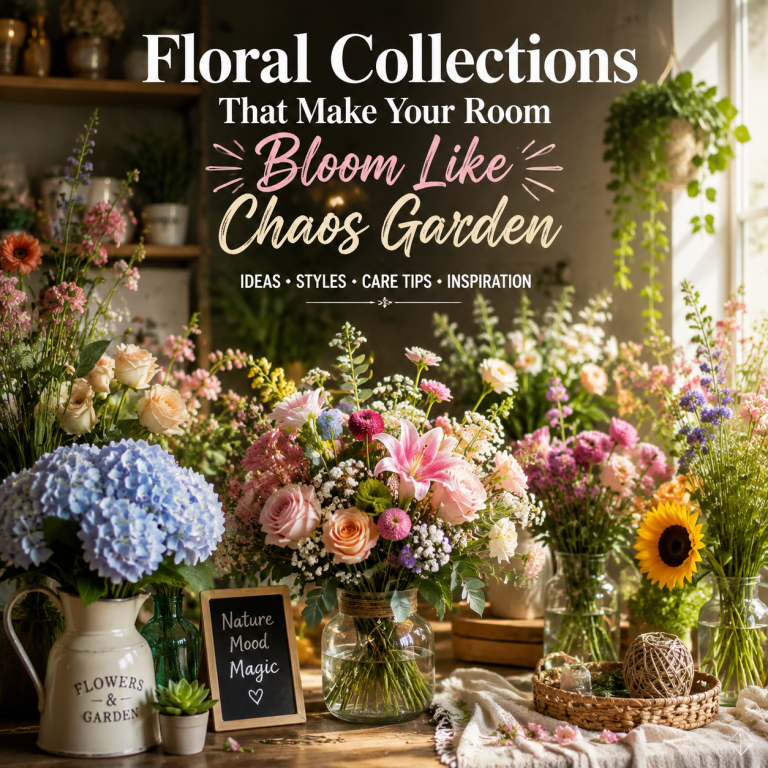
Floral Collections That Make Your Room Bloom Like Chaos Garden
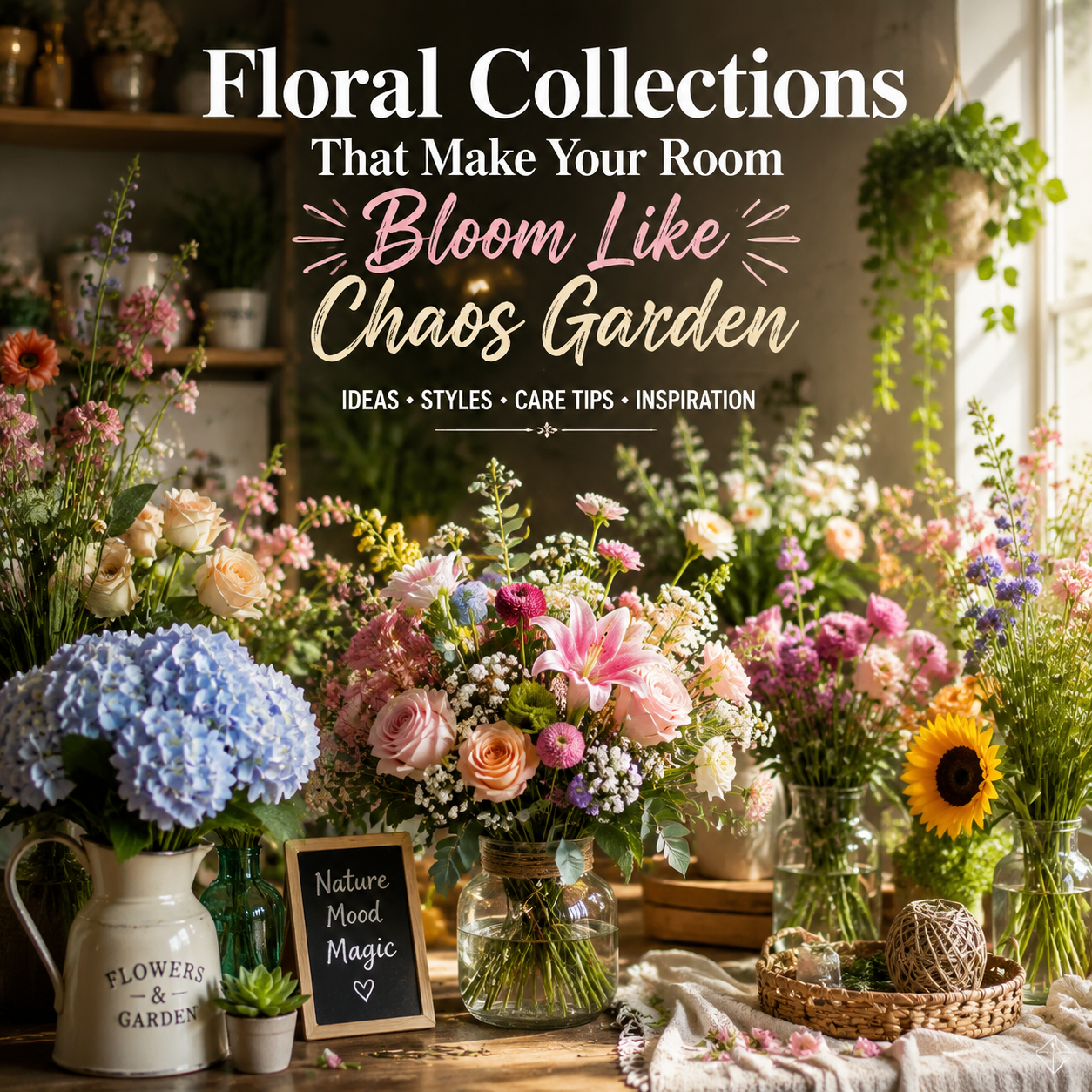
Floral Collections That Make Your Room Bloom Like Chaos Garden is more than just a quirky phrase—it captures how modern floral design turns ordinary spaces into expressive, living art. From minimalist apartments in Tokyo to cozy cafés in Paris, floral arrangements have become a quiet language of mood, identity, and aesthetic storytelling. – lalunafloralstudio
Introduction to Floral Collections
Floral design today is no longer limited to weddings or formal events. It has evolved into a daily lifestyle element that blends botany, creativity, and emotional expression. Whether arranged in a glass vase or spread across digital inspiration boards, floral styling speaks directly to how people want their environments to feel.
In simple terms, floral design is where nature meets intention.
What Are Floral Collections?
Floral collections refer to curated groups of flowers, plants, and botanical elements arranged with a consistent theme, color palette, or emotional tone. These collections can be physical arrangements or conceptual designs used in interior styling, branding, or event decoration.
They often combine:
- Fresh flowers like roses, lilies, and tulips
- Dried botanicals such as pampas grass
- Exotic leaves inspired by tropical horticulture
- Artistic fillers like moss, branches, and herbs
The idea is not just decoration—it’s storytelling through nature.
Who Uses Floral Collections?
Floral styling is used by a wide range of people:
Interior Designers
They use floral elements to soften modern spaces and create emotional balance.
Event Planners
Weddings, corporate events, and exhibitions rely heavily on floral aesthetics to set the mood.
Content Creators & Stylists
Social media influencers often use curated floral setups for photography and branding.
Everyday Homeowners
Even small apartment owners use simple floral touches to bring freshness into their daily lives.
Where Floral Collections Shine
Floral arrangements are versatile and can enhance almost any environment:
- Living rooms with neutral interiors
- Luxury hotel lobbies
- Café corners designed for Instagram appeal
- Office reception areas needing warmth
- Outdoor patios and garden lounges
From Tokyo high-rises to Bali beach villas, floral design adapts effortlessly to location and culture.
When to Use Floral Collections
Timing plays a huge role in floral aesthetics.
- Spring: soft pastel blooms dominate
- Summer: bold, tropical arrangements take over
- Autumn: earthy tones like amber and rust appear
- Winter: evergreen and dried textures create warmth
Floral styling also peaks during holidays, weddings, product launches, and seasonal campaigns.
Why Floral Collections Matter
Floral design isn’t just visual—it’s psychological. Studies in environmental psychology suggest that natural elements reduce stress and improve mood.
Flowers also symbolize:
- Renewal and growth
- Emotional expression
- Cultural traditions
- Personal identity
Even ancient scholars like Karl Linnaeus studied plant classification, laying the foundation for modern floral science.
How to Design Floral Collections
Step 1 – Choose a Theme
Decide whether you want elegance, wild nature, minimalism, or tropical energy.
Step 2 – Pick a Color Palette
Stick to 2–4 dominant colors for visual harmony.
Step 3 – Mix Textures
Combine soft petals, structured leaves, and rough natural elements.
Step 4 – Balance Proportions
Avoid overcrowding; negative space is part of the design.
Step 5 – Add Emotional Intent
Every arrangement should reflect a feeling—calm, romantic, energetic, or nostalgic.
At the center of modern floral design thinking, Floral Collections serve as a bridge between nature and human emotion, allowing designers to translate feelings into visual form with surprising depth and subtlety.
Popular Styles & Trends in Floral Design
Modern floral aesthetics continue to evolve rapidly:
- Minimal Japanese Ikebana influence focusing on balance and space
- Wild garden style inspired by natural landscapes
- Monochrome arrangements using a single color family
- Sustainable floristry using local and seasonal blooms
- Digital floral art used in NFTs and branding visuals
Each trend reflects how culture and creativity merge with nature.
Materials and Scent Science Behind Floral Collections
Floral design is not only visual—it’s also sensory science.
Key materials include:
- Fresh-cut flowers
- Preserved dried plants
- Essential oil-infused elements
- Eco-friendly floral foam alternatives
Scent plays a powerful role in emotional response. Aromatic compounds in flowers interact with the human limbic system, influencing memory and mood. This is why lavender feels calming and citrus blooms feel energizing.
Care and Maintenance Tips
To keep floral arrangements fresh and appealing:
- Change water every 2 days
- Trim stems at an angle
- Avoid direct sunlight exposure
- Remove wilted petals quickly
- Use clean vases to prevent bacteria growth
Proper care ensures longer-lasting beauty and stronger visual impact.
Mistakes to Avoid in Floral Styling
Even experienced designers make errors:
- Overcrowding arrangements
- Ignoring color harmony
- Using incompatible flower types
- Forgetting scent balance
- Neglecting seasonal availability
Avoiding these mistakes helps maintain professional-level aesthetics.
Floral design continues to evolve as both an art form and a lifestyle expression, blending science, emotion, and creativity into one seamless visual language. From homes and events to digital aesthetics, its influence is everywhere, quietly shaping how people experience beauty in daily life. Ultimately, Floral Collections That Make Your Room Bloom Like Chaos Garden captures the playful yet meaningful essence of how flowers transform ordinary spaces into living stories.
About the Author