Whispers in Bloom: Inside the Hidden Language of Floral Collections
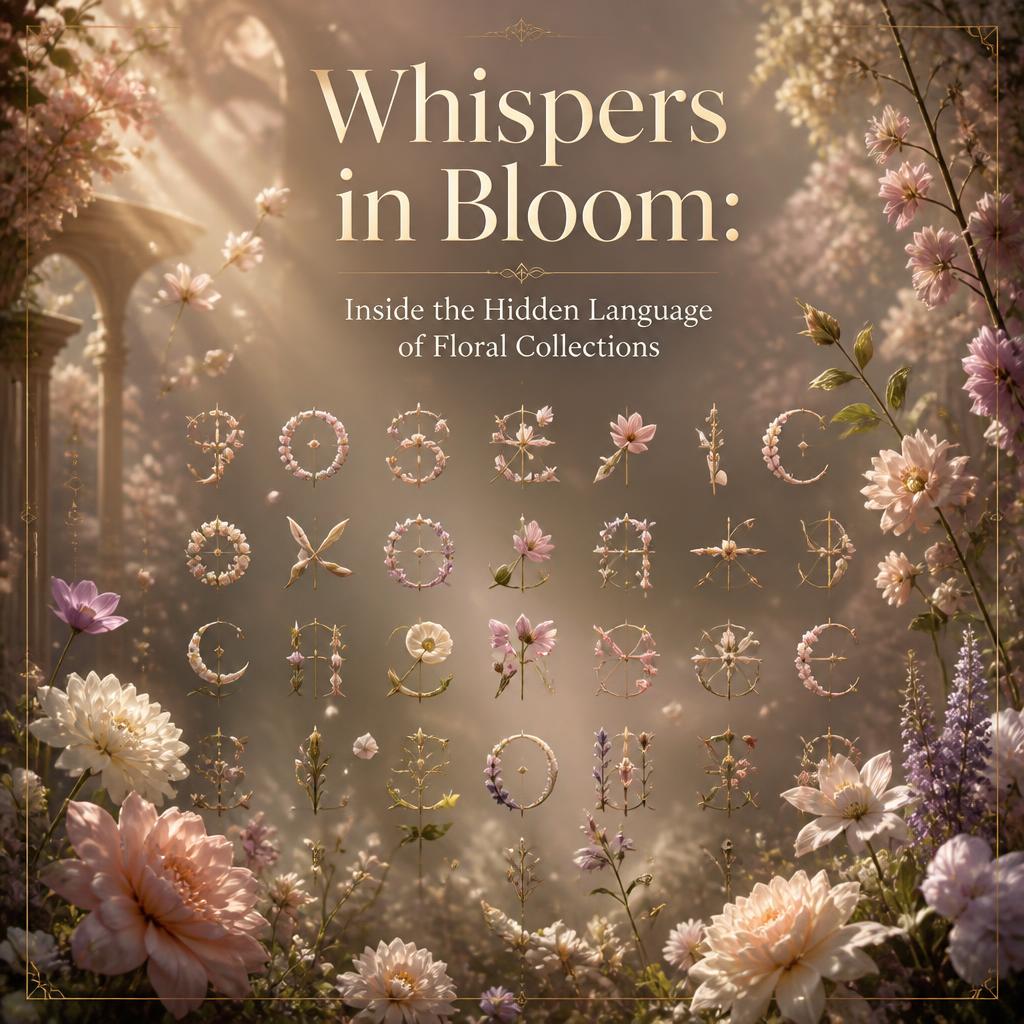
The Quiet Power Behind Floral Design
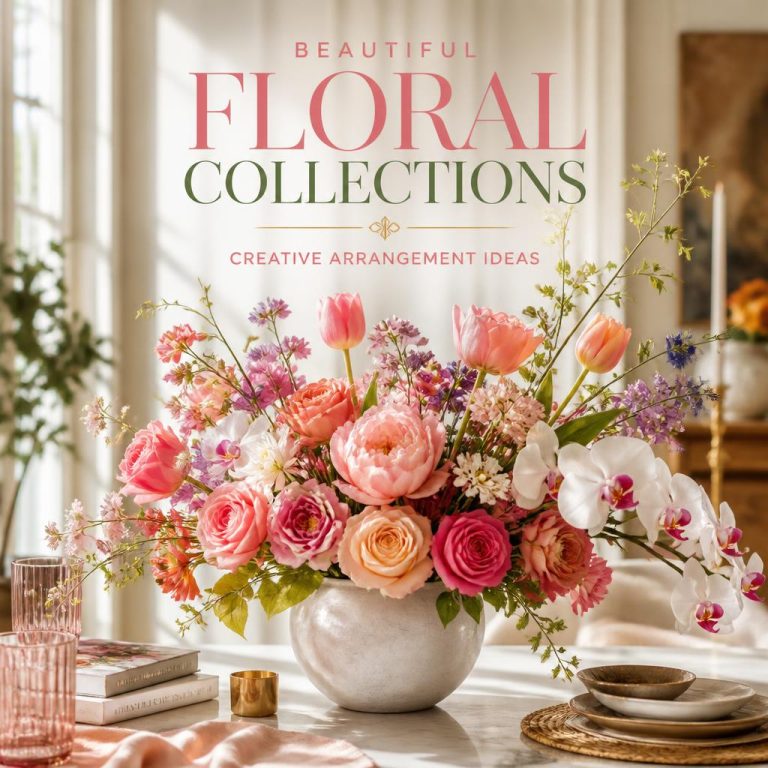
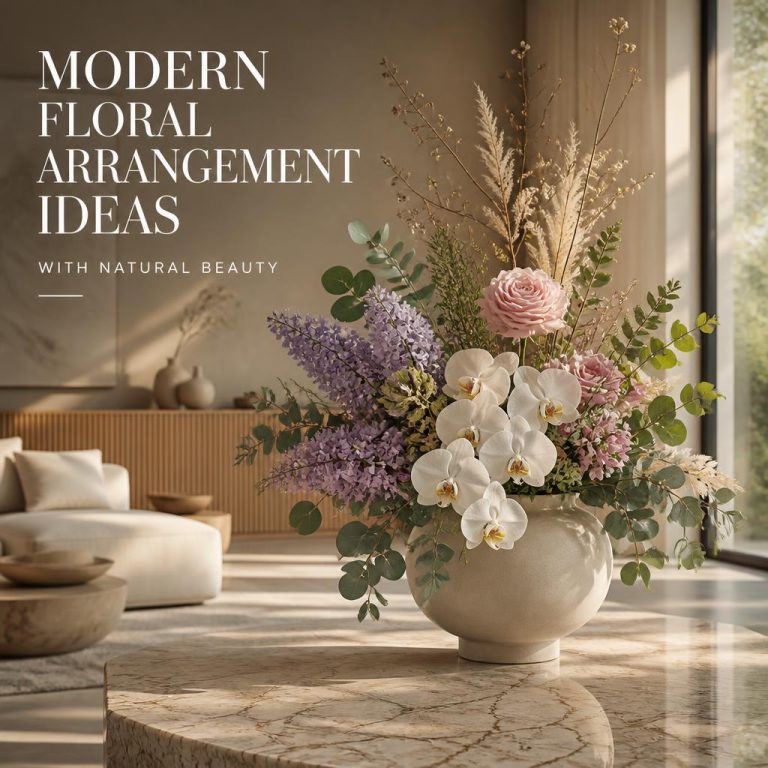
lalunafloralstudio – Whispers in Bloom: Inside the Hidden Language of Floral Collections opens a world where petals, structure, and emotion quietly shape how spaces feel. Floral design is not just decoration—it’s a curated visual language built from biology, culture, and human emotion. From luxury weddings to minimalist hotel lobbies, floral arrangements influence mood, perception, and even behavior without saying a word.
Behind every arrangement lies a deliberate choice: color harmony, seasonal availability, botanical structure, and symbolic meaning. This is where artistry meets science in a way most people rarely notice, yet constantly experience.
What Are Floral Collections Really?
Floral collections are structured groupings of flowers designed with a unified aesthetic, purpose, or theme. They are not random bouquets but intentional compositions that follow principles of balance, proportion, and storytelling.
The Core Idea Behind the Concept
A floral collection is built like a visual narrative. Each stem contributes to rhythm and contrast, similar to how words build a sentence.
Beyond Decoration
These arrangements often serve functional roles—branding in commercial spaces, emotional signaling in events, or cultural representation in ceremonies.
The History and Evolution of Floral Styling
Floral arrangements date back thousands of years, from ancient Egyptian temple offerings to Japanese ikebana traditions.
From Ritual to Aesthetic Practice
Early civilizations used flowers in rituals tied to life, death, and fertility. Over time, these practices evolved into decorative arts.
Modern Floral Transformation
Today’s floral design blends botany, interior design, and visual merchandising into a single discipline influenced by global aesthetics.
Who Creates These Collections?
Floral collections are crafted by trained florists, botanical artists, event designers, and sometimes even architects of space.
The Role of the Florist
Florists interpret briefs from clients and translate abstract emotions into physical arrangements using plant materials.
Collaborative Creative Fields
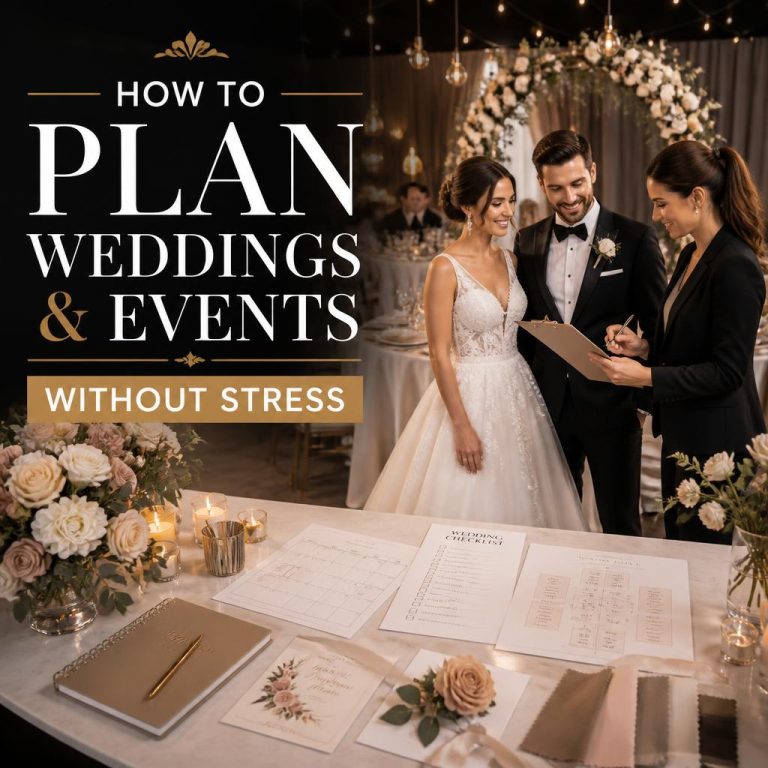
Event planners, photographers, and interior designers often collaborate to ensure the floral narrative matches the environment.
Where Floral Collections Come Alive
Floral collections exist wherever atmosphere matters.
Weddings and Ceremonial Spaces
Here, flowers symbolize emotion—love, memory, and transition.
Hospitality and Retail Environments
Hotels, cafes, and boutiques use floral arrangements to shape brand identity and customer experience.
Public Installations
Museums and exhibitions sometimes integrate floral art to connect nature with contemporary culture.
When Floral Trends Change
Floral design is highly seasonal and trend-driven.
Seasonal Cycles
Spring favors tulips and peonies, while autumn leans toward dahlias and dried botanicals.
Influence of Global Culture
Social media accelerates trend cycles, making color palettes and flower types shift faster than ever.
Why Floral Collections Matter in Modern Design
Floral arrangements influence emotional perception more than most visual elements in a space.
They reduce stress, increase perceived luxury, and create memory anchors in events. Psychologically, humans respond to organic shapes and natural symmetry due to evolutionary familiarity with nature.
How Floral Collections Are Curated Step-by-Step
Creating a floral collection is a structured creative process that combines planning, intuition, and technical knowledge.
Step 1 — Concept Development
Designers define the theme: romantic, minimal, wild, or structured.
Step 2 — Botanical Selection
Flowers are chosen based on texture, durability, and seasonal availability.
Step 3 — Color and Structure Planning
Color theory plays a major role—complementary, monochromatic, or analog palettes define emotional tone.
Step 4 — Arrangement Execution
Stems are layered using mechanics like floral foam, grids, or hand-tied methods for stability.
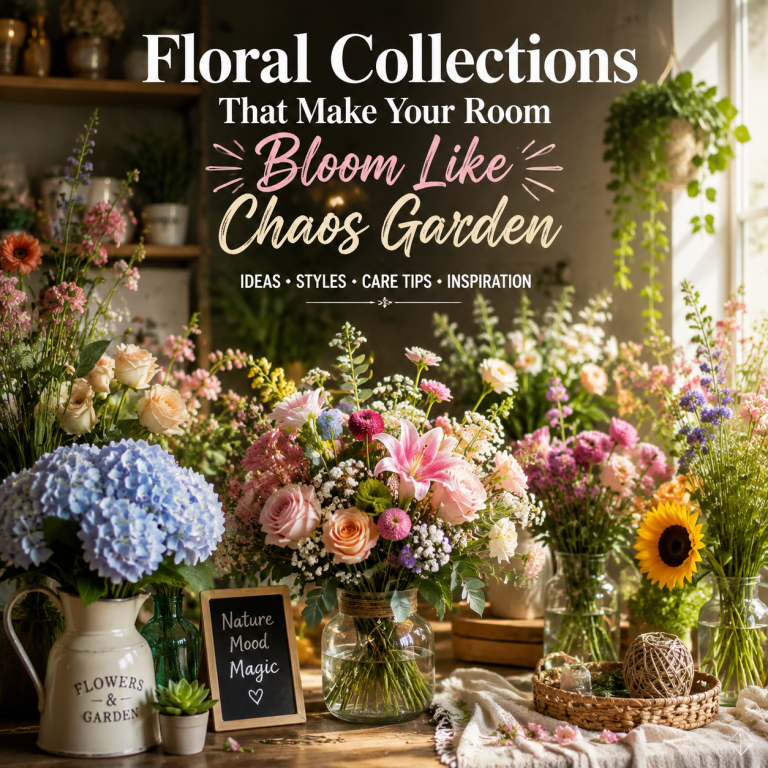
At the midpoint of the design process, professionals often refine composition using Floral Collections as a guiding framework that ensures consistency across multiple arrangements within the same theme.
Materials, Flowers, and the Scientific Side
Floral design is deeply rooted in biology.
Botanical Classification
Flowers belong to different families such as Rosaceae or Liliaceae, each with unique structural properties.
Physical Properties of Flowers
Hydration levels, stem lignification, and pigment stability affect longevity and appearance.
Environmental Sensitivity
Temperature, humidity, and light exposure directly influence floral lifespan.
Cultural Meaning Behind Flowers
Every flower carries symbolic meaning shaped by geography and tradition.
Eastern Symbolism
In many Asian cultures, chrysanthemums represent longevity and remembrance.
Western Associations
Roses often symbolize romance, but color variations shift their meaning significantly.
Modern Interpretations
Contemporary designers often mix symbolic meanings to create layered visual messages.
Digital Era of Floral Design
The internet has reshaped how floral art is consumed and created.
Social Media Influence
Platforms like Instagram have turned floral arrangements into visual storytelling tools.
E-Commerce and Custom Orders
Customers now order curated arrangements based on mood boards and digital catalogs.
AI and Design Assistance
Digital tools help predict color harmony and seasonal availability, making design more efficient.
Related Reads
✔️ Stunning Floral Collections That Transform Every Space Beautifully
✔️Luxury Floral Collections: Transform Your Home into Elegant Haven
The Living Art of Floral Expression
Floral design continues to evolve as a blend of art, science, and emotional storytelling that shapes how people experience space and memory. Whether placed in a quiet room or a grand celebration, flowers carry meaning far beyond their physical form. In every carefully curated arrangement, the essence of Whispers in Bloom: Inside the Hidden Language of Floral Collections remains alive through color, structure, and intention.
About the Author