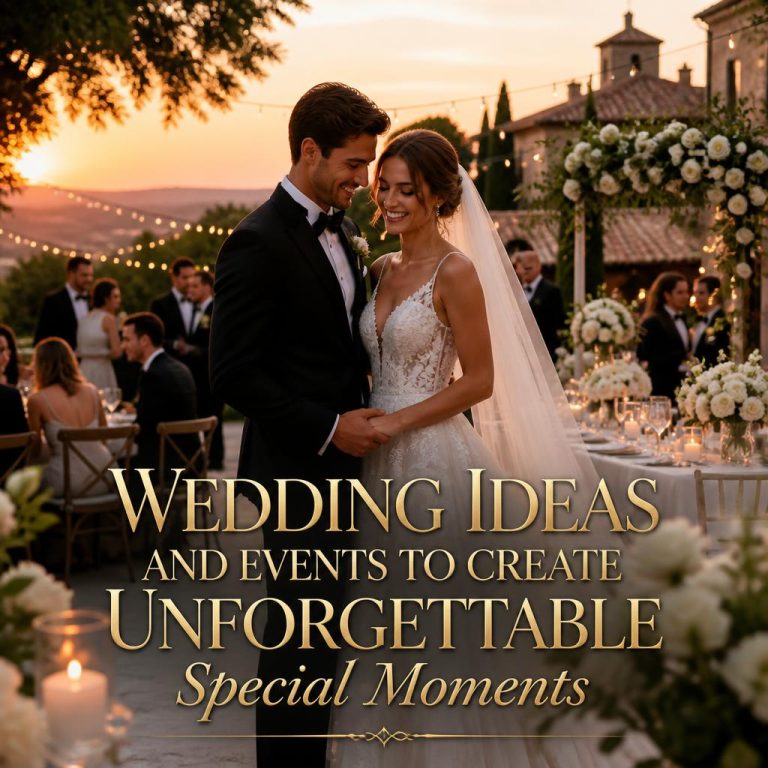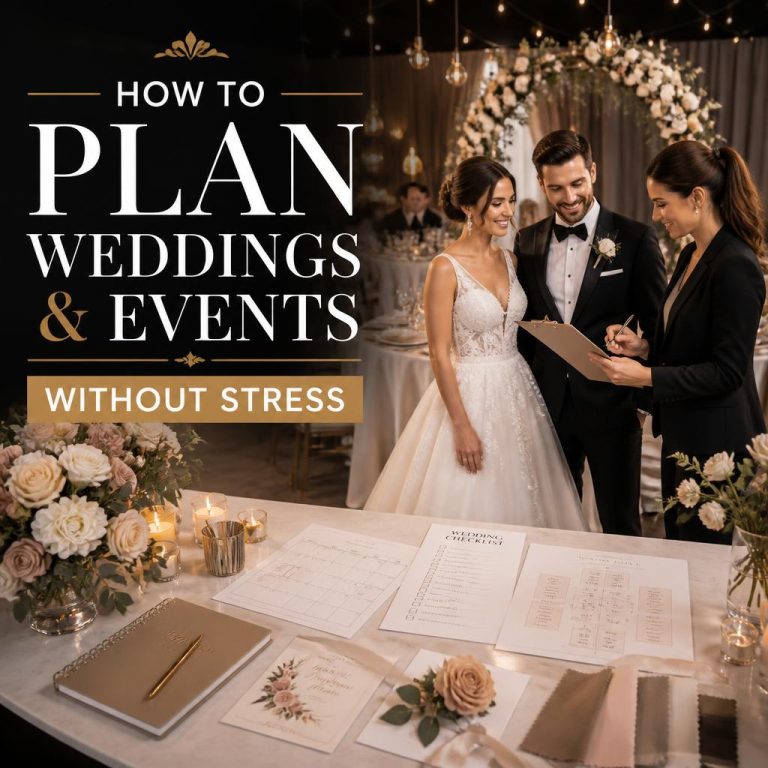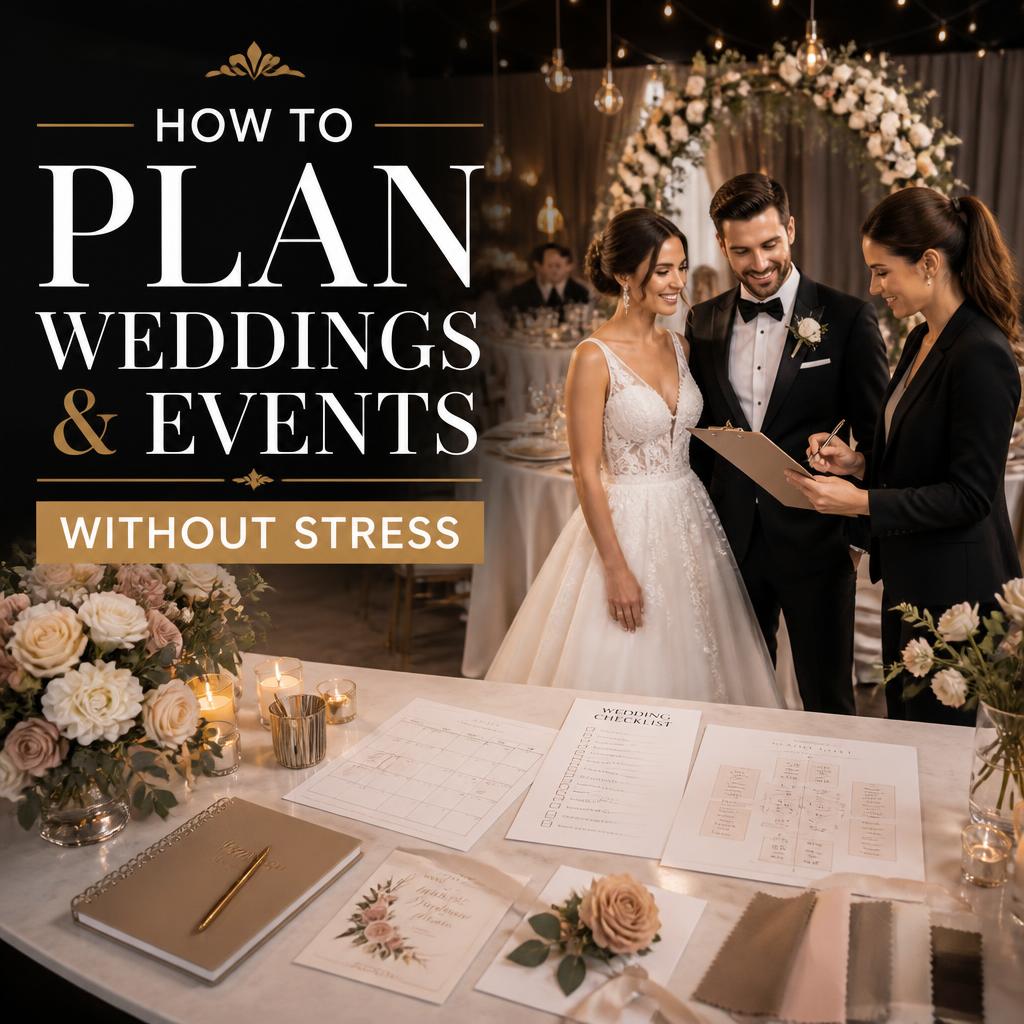
lalunafloralstudio.com – How to Plan Weddings & Events Without Stress starts with one surprisingly simple idea: you do not need to organize everything at once. Weddings, engagement parties, anniversaries, corporate gatherings, and private celebrations can involve dozens of moving parts, but a clear system makes those details much easier to handle. Instead of chasing perfection, focus on priorities, realistic timing, good communication, and decisions that actually improve the guest experience.
Whether you are planning a small backyard wedding or a large formal event, the same basic principles apply. You need to know what you are organizing, who will attend, where it will happen, when tasks need to be completed, why certain details matter, and how your available budget will support the plan.
Start With the Purpose of Your Wedding or Event
Before browsing venues, flowers, menus, or decorations, define what the event should actually feel like. This becomes your reference point whenever too many options start competing for attention.
A wedding might focus on family connection and an intimate atmosphere. A corporate event could prioritize networking and brand visibility. A birthday celebration may simply need good food, comfortable seating, music, and enough space for everyone to have fun.
Ask yourself what guests should remember when they leave. Their answer probably will not be the exact shade of the napkins. They are more likely to remember whether the atmosphere felt welcoming, the food was enjoyable, and the event flowed naturally.
Choose Three Main Priorities
Pick three elements that deserve the largest share of your attention and budget.
For example, wedding priorities could be venue, photography, and food. Another couple might care more about entertainment, floral design, and an outdoor ceremony.
Once those priorities are clear, smaller decisions become easier. You can spend more confidently on meaningful elements while keeping secondary details simple.
Create a Realistic Event Budget Early
Money becomes stressful when spending happens without a structure. Create your budget before signing contracts or falling in love with expensive ideas.
Break the total amount into practical categories such as venue rental, catering, photography, entertainment, decorations, transportation, attire, invitations, staffing, and emergency expenses.
Keep a small contingency fund as well. Around 5–10% of the overall budget can provide useful breathing room when unexpected costs appear.
Separate Essential and Optional Expenses
An easy way to control spending is to divide expenses into two groups.
Essential costs cover things the event cannot reasonably operate without. Optional expenses improve appearance or entertainment but can be adjusted, replaced, or removed.
That gorgeous flower wall might look incredible in photographs, for example, but it probably should not come before enough food, seating, lighting, or professional event staff.
Watch the Small Expenses
Tiny purchases have a habit of multiplying.
Extra signage, decorative candles, delivery charges, printing fees, last-minute accessories, and overtime costs can quietly push a budget beyond its original limit. Record every expense rather than relying on memory.
A simple spreadsheet works perfectly well. You do not need complicated financial software.
Build a Wedding Planning Timeline
Trying to complete everything during the final month is practically an invitation to stress.
Create a timeline that works backward from the event date. Large weddings may require planning many months ahead, while smaller celebrations can often work with shorter schedules.
Your timeline should include venue confirmation, vendor bookings, guest communication, menu selection, decoration decisions, fittings, transportation arrangements, final payments, and rehearsals.
Use Deadlines Instead of a Giant To-Do List
A huge checklist can feel overwhelming because every task appears equally urgent.
Instead, organize tasks according to deadlines:
Do now: decisions that affect availability or other bookings.
Do soon: important details that still have some flexibility.
Do later: finishing touches that depend on earlier decisions.
This approach reduces unnecessary cognitive load, a psychological term describing the amount of information your working memory handles at one time.
Choose the Right Venue for Your Guest List
The venue influences almost every other planning decision.
It affects capacity, catering, decoration, transportation, weather preparation, entertainment options, and sometimes even the event schedule. That is why choosing a location based only on beautiful photographs can cause trouble later.
Before booking, confirm the venue’s maximum capacity and what that number actually means for your preferred layout.
A room that technically accommodates 150 people may feel crowded after adding a dance floor, buffet stations, stage, photo booth, and entertainment equipment.
Consider Location and Guest Convenience
Think about where guests are coming from.
Is parking available? Is public transportation nearby? Will older guests have trouble with stairs? Do out-of-town visitors need hotels? How long will transportation take between the ceremony and reception?
Accessibility may not be glamorous, but it strongly influences how comfortable people feel during the event.
Create a Guest List You Can Actually Manage
Guest numbers affect your venue, catering bill, seating plan, invitations, transportation, and overall atmosphere.
Start with a preliminary list before booking major services.
For weddings, couples can divide names into groups such as immediate family, relatives, close friends, colleagues, and optional guests. This makes adjustments less emotional when capacity or budget becomes tight.
Do not forget partners, children, vendors who require meals, and other people who may influence the final headcount.
Hire Vendors Based on Reliability, Not Just Price
A cheap vendor who arrives late or communicates poorly can become much more expensive in terms of stress.
Compare experience, communication style, portfolio quality, availability, pricing, and contract terms before making a decision.
For important services such as catering, photography, entertainment, transportation, and technical production, reliability deserves serious consideration.
Ask Practical Questions Before Signing
Find out exactly what the quoted price includes.
Ask about setup, breakdown, staffing, travel charges, overtime rates, cancellation policies, payment deadlines, equipment, and backup arrangements.
Written agreements matter. A friendly conversation is useful, but a clear contract protects everyone when expectations differ.
Pay Attention to Communication
You can learn a lot about a vendor before hiring them.
Do they answer questions clearly? Are their proposals organized? Do they understand your event concept? Are they realistic about limitations?
Good communication during the booking stage often indicates smoother collaboration later.
Keep the Wedding Theme and Design Simple
A strong event design does not require hundreds of decorative elements.
Choose a consistent visual direction using a limited color palette, a few materials, and one recognizable style. This creates visual cohesion, meaning individual design elements feel connected rather than randomly assembled.
For example, a modern garden wedding could combine neutral linens, natural greenery, warm lighting, and minimalist stationery. You do not need to decorate every empty corner.
Reuse Decorative Elements
Smart planning can make decorations work twice.
Ceremony flowers may later decorate the reception. Welcome signage can become part of the photo area. Bridesmaid bouquets can decorate tables after photographs.
This approach saves money while reducing waste and setup complexity.
Plan the Guest Experience From Arrival to Departure
One useful planning technique is to imagine yourself as a guest.
What happens when you arrive? Where do you park? Who welcomes you? Where do you sit? When is food served? Is there a long period with nothing happening?
Walk through the event chronologically.
Look for confusing transitions, excessive waiting, crowded spaces, or unclear instructions. Small improvements to the guest journey can have a bigger impact than expensive decorative upgrades.
Build a Detailed Event-Day Schedule
Your event timeline should explain what happens and when.
Include vendor arrivals, setup periods, guest arrival, ceremony timing, photographs, meals, speeches, entertainment, special activities, transportation, and cleanup.
However, avoid creating a schedule so tight that a five-minute delay ruins everything.
Add Buffer Time Between Important Moments
Events rarely run with mathematical precision.
A ceremony may start late because guests are still arriving. Family photographs might take longer than expected. Dinner service can experience a short delay.
Adding 10–20 minutes of flexibility around major transitions creates a healthier operational buffer.
That small amount of extra time can prevent one delay from affecting the entire evening.
Delegate Instead of Managing Everything Yourself
One of the fastest ways to become overwhelmed is trying to personally control every detail.
Assign responsibilities to trusted people.
Someone can coordinate transportation. Another person can manage gifts. A family member can answer simple guest questions. A planner or coordinator can communicate directly with vendors.
Delegation does not mean losing control. It means keeping your attention available for decisions that genuinely require you.
Create One Point of Contact on Event Day
Vendors should not need to call the bride, groom, host, or keynote speaker every time they have a logistical question.
Designate one reliable person as the main contact.
Give that person vendor numbers, the timeline, venue information, and important instructions. This simple step can dramatically reduce interruptions.
Prepare Backup Plans for Common Problems
You cannot control everything, especially weather.
Outdoor events should always have a realistic backup option. That might mean a tent, indoor room, covered terrace, heaters, fans, umbrellas, or an alternative ceremony location.
The same principle applies to technology and transportation.
Important presentations should have backup files. Outdoor audio setups need weather protection. Transportation plans should include extra time.
This is basic risk management: identify likely problems before they happen and decide how you will respond.
Avoid Last-Minute Changes Unless They Matter
As the event approaches, new ideas suddenly seem incredibly tempting.
Maybe you discover a different centerpiece. Perhaps someone suggests changing the seating arrangement. Social media shows you a wedding trend you had never considered before.
Ask one question before changing anything: Will this meaningfully improve the event?
If the answer is no, leave the existing plan alone.
Last-minute changes often create additional costs, vendor confusion, and unnecessary decision fatigue.
Take Care of Yourself During the Planning Process
Planning a celebration should not consume every evening, weekend, and conversation.
Create boundaries.
Choose specific times for event planning rather than discussing it constantly. Take occasional days when wedding or event topics are completely off the table.
Sleep, regular meals, hydration, exercise, and downtime may sound unrelated to event organization, but they influence concentration and emotional regulation.
When you are exhausted, tiny problems can suddenly feel enormous.
Accept That Perfect Events Do Not Exist
Something may eventually happen differently from the plan.
A guest could arrive late. Flowers may look slightly different from the inspiration photograph. The weather could change. Someone might forget part of a speech.
Most guests will never notice these details unless you draw attention to them.
A successful event is not one where absolutely nothing goes wrong. It is one where small problems do not prevent people from enjoying themselves.
Final Thoughts on Stress-Free Wedding and Event Planning
The easiest way to organize a memorable celebration is to combine clear priorities with realistic expectations. Define the purpose, establish the budget, create a practical timeline, choose dependable vendors, simplify the design, delegate responsibilities, and prepare backup plans before problems appear. Most importantly, leave enough flexibility to actually enjoy the occasion you worked so hard to create. With thoughtful preparation and a willingness to ignore unnecessary perfection, How to Plan Weddings & Events Without Stress becomes less of an ambitious promise and more of a practical approach anyone can follow.
About the Author