lalunafloralstudio.com – Custom Orders allow people to transform personal ideas into meaningful creations that reflect their style, purpose, and identity. Unlike mass-produced items, custom-made pieces focus on individual preferences, creating something that feels more personal and memorable.
From artwork and home decorations to fashion products and special gifts, custom orders have become increasingly popular because customers want items that tell a story. A personalized creation is not only about appearance but also about emotional connection and unique experiences.
Understanding the Concept of Custom Orders
Custom orders are requests made by customers who want a product designed according to specific requirements. The process usually involves communication between the creator and customer to discuss ideas, materials, sizes, colors, styles, and final expectations.
For example, someone may order a custom sculpture inspired by a personal memory, or a business may request a unique installation that represents its brand identity. The final result becomes a one-of-a-kind piece rather than a standard product available to everyone.
Why Custom Orders Are Becoming More Popular
Modern consumers increasingly value individuality. Many people prefer owning products that represent their personality instead of choosing identical items available in large quantities.
Furthermore, custom orders provide a deeper emotional experience. A handmade piece created specifically for someone often carries more meaning than a generic product purchased from a store.
Several factors contribute to the growing demand for personalized creations:
- Desire for unique and original designs
- Increased appreciation for craftsmanship
- Demand for meaningful gifts
- Personal branding and business identity
- Preference for high-quality handmade products
The Process Behind Creating Custom Pieces
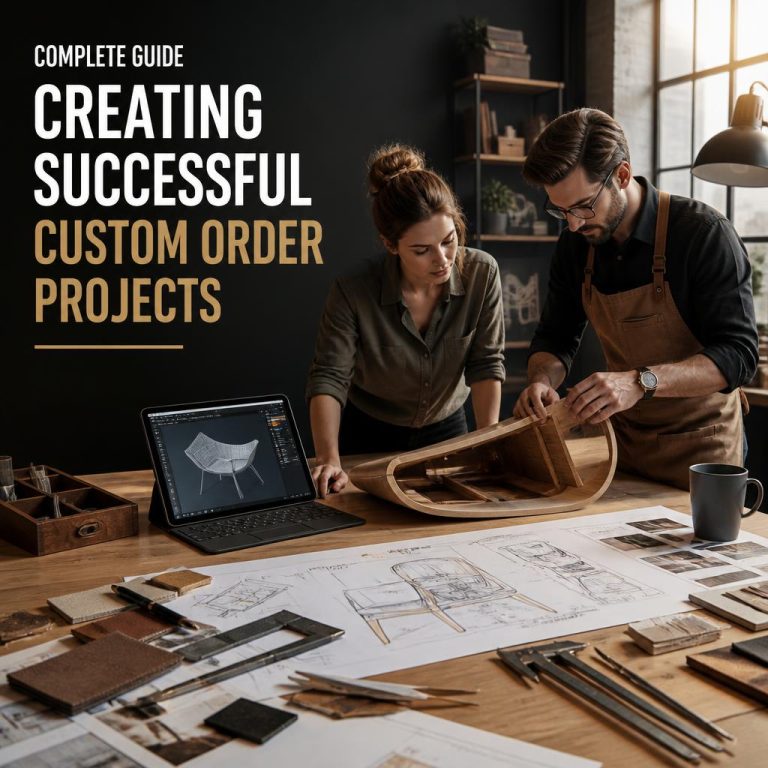
Creating a successful custom order requires collaboration between the customer and creator. A clear process helps ensure the final product matches expectations.
1. Sharing the Initial Idea
The first step begins when customers explain their vision. They may provide references, sketches, images, or descriptions that help creators understand the desired outcome.
A professional creator will usually ask questions about purpose, style preferences, dimensions, and budget before starting the design process.
2. Developing the Design Concept
After gathering information, the creator develops a concept that combines creativity with practical considerations.
During this stage, adjustments may occur to improve functionality, appearance, or production feasibility. This collaboration ensures that the final piece reflects both artistic vision and customer expectations.
3. Production and Quality Checking
Once the design receives approval, the creation process begins. Depending on the project, this stage may involve crafting, painting, sculpting, manufacturing, or assembling different components.
Quality control remains essential because custom products often represent important personal moments or professional identities.
Benefits of Choosing Custom-Made Pieces
Custom orders provide several advantages compared with ready-made products.
| Custom Orders | Standard Products |
|---|---|
| Personalized design | Limited design options |
| Unique appearance | Mass-produced style |
| Emotional value | General purpose |
| Customer involvement | Fixed specifications |
One major advantage is personalization. Customers can choose details that match their preferences, making the final product more meaningful.
Moreover, custom pieces often provide better long-term value because they are created with specific requirements in mind rather than designed for general audiences.
Common Challenges in Custom Orders
Although custom creations offer many benefits, they also require careful planning. One challenge is communication. Misunderstandings between customers and creators can affect the final result.
Another challenge involves time. Because custom products require individual attention, production usually takes longer than purchasing ready-made items.
Therefore, customers should provide clear instructions, realistic expectations, and enough time for the creation process.
Tips for Ordering a Successful Custom Piece
To achieve the best results, customers should consider several important factors.
Choose an Experienced Creator
Review previous projects, customer feedback, and portfolio examples before selecting a creator. Experience often indicates the ability to handle different design requests.
Communicate Clearly
Detailed communication helps prevent mistakes. Explain your goals, preferred styles, measurements, and important details from the beginning.
Consider the Budget and Timeline
Custom work requires specialized skills and materials. Discuss pricing and deadlines early to create a smoother experience.
The Future of Custom Orders
Technology continues to influence the custom design industry. Digital design tools, 3D modeling, and online collaboration platforms make it easier for creators and customers to develop personalized products.
However, the human element remains the most valuable part of custom orders. Creativity, craftsmanship, and personal storytelling continue to separate custom pieces from ordinary products.
Custom Orders provide an opportunity to create special pieces that represent personal stories, unique preferences, and meaningful experiences. Through collaboration, careful planning, and skilled craftsmanship, customers can transform simple ideas into memorable creations.
Whether for personal use, gifts, or professional projects, choosing custom orders allows people to own something truly distinctive. Creating special pieces through custom orders is not only about producing an item but also about building a connection between creativity and individual expression.
About the Author