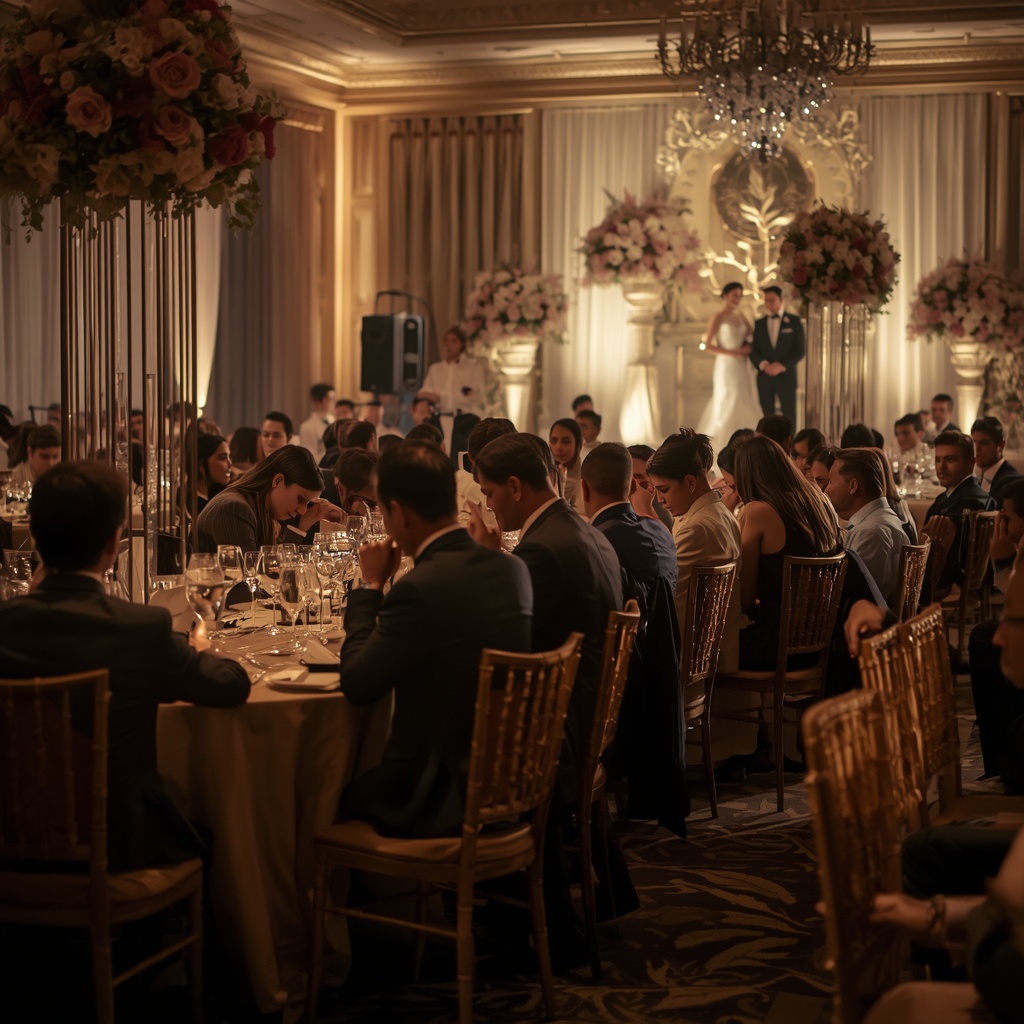
lalunafloralstudio – Wedding Guests Are Tired of Endless Ceremonies — The Real Reason Modern Weddings Feel Too Long is becoming a surprisingly common topic in modern event culture. What used to feel elegant and emotional now sometimes feels exhausting for guests who are forced to sit through hours of speeches, rituals, delays, and awkward waiting periods. Weddings are still beautiful, but attention spans, lifestyles, and social habits have changed dramatically over the years.
People no longer attend weddings with the same patience they had twenty years ago. Modern guests want emotional moments, memorable experiences, good food, and smooth pacing. They do not want to spend six hours trapped in uncomfortable chairs while waiting for the reception to finally begin.
This shift is changing how couples, wedding planners, and venues design ceremonies today.
Why Wedding Attention Spans Are Shrinking
Modern life moves fast. People consume short videos, instant updates, and rapid entertainment every single day. Platforms like TikTok and fast-paced digital media have quietly reshaped how long people can stay focused during live events.
That does not mean guests are disrespectful. It simply means their expectations are different.
Today’s wedding attendees often ask:
- How long will the ceremony last?
- When will food be served?
- Is there downtime between events?
- Will the reception actually be fun?
Guests appreciate emotional moments, but they also value efficiency. When a ceremony stretches too long without energy or engagement, attention disappears quickly.
The Rise of Fast-Paced Celebration Culture
Modern celebrations are becoming shorter, tighter, and more experience-driven. From birthdays to corporate launches, people now prefer events that feel dynamic instead of overly formal.
Short Weddings Feel More Memorable
Ironically, shorter weddings often leave stronger impressions. Guests remember:
- The emotional vows
- The fun dance floor
- The unique atmosphere
- The meaningful interactions
They rarely remember a 45-minute speech from a distant relative.
Couples are beginning to realize that keeping energy high matters more than extending every tradition.
What Guests Secretly Think During Long Ceremonies
Many guests never openly complain because weddings are emotional family occasions. Still, behind polite smiles, long ceremonies create silent frustration.
Common Guest Complaints
Waiting Too Long Between Events
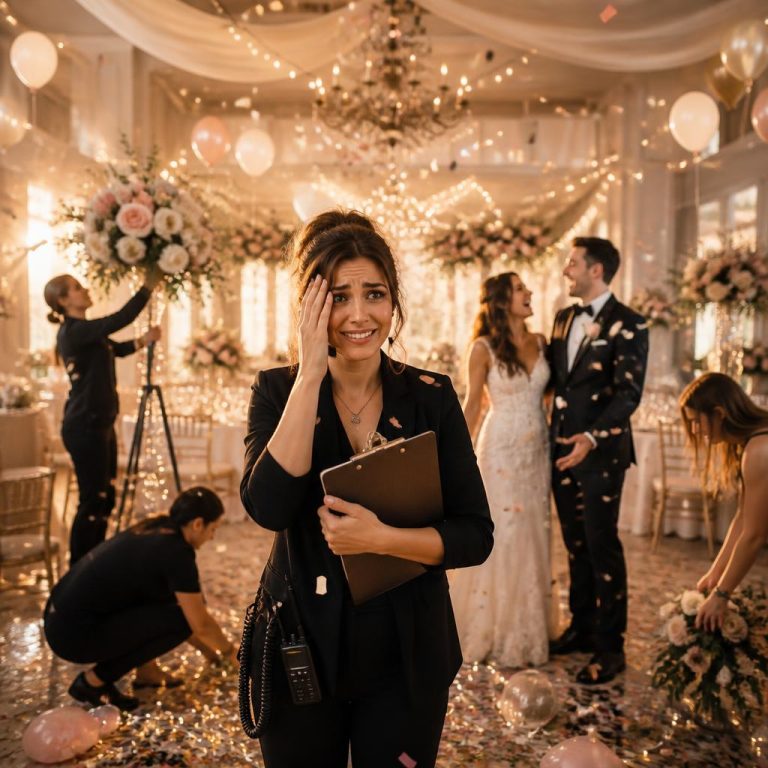
One of the biggest issues happens when guests arrive early but spend hours waiting for the next part of the wedding.
Endless Speeches
A few heartfelt speeches can be beautiful. Ten speeches in a row become mentally draining.
Uncomfortable Seating
Outdoor weddings under heat, cold weather, or poor seating arrangements quickly test patience.
Hunger Changes Everything
People become less emotionally engaged when food service gets delayed too long.
Guests may still love the couple while quietly checking their phones every few minutes.
How Social Media Changed Wedding Expectations
Social media transformed weddings into highly visual experiences. Couples now focus heavily on aesthetics, cinematic entrances, and staged moments.
The Pressure to Create “Perfect” Weddings
Many couples spend enormous amounts of time planning:
- Photo sessions
- Grand entrances
- Choreographed performances
- Elaborate transitions
- Multiple outfit changes
While these details look stunning online, they often extend the actual timeline dramatically.
Guests usually care less about perfection and more about flow.
That is the uncomfortable truth many wedding planners are starting to notice.
The Difference Between Emotional and Overextended Weddings
A meaningful wedding does not need to feel endless.
Emotional Weddings Create Connection
Strong ceremonies focus on authenticity:
- Personal vows
- Genuine family moments
- Cultural traditions with purpose
- Emotional storytelling
Overextended Weddings Lose Momentum
Problems begin when events become repetitive or overly theatrical.
People emotionally disconnect when ceremonies prioritize performance over connection.
The goal should not be making guests impressed for twelve hours. The goal should be making them emotionally invested for the right moments.
Why Younger Guests Prefer Interactive Experiences
Younger generations approach weddings differently from older generations.
Guests Want Participation
Modern attendees enjoy:
- Interactive photo booths
- Live music experiences
- Casual social spaces
- Personalized food stations
- Fun activities
They prefer experiences over passive observation.
This explains why some modern weddings now feel closer to lifestyle events than traditional formal ceremonies.
Wedding Fatigue Is Becoming a Real Trend
Wedding fatigue is not imaginary. Many people now attend multiple weddings every year, especially during peak seasons.
Too Many Similar Weddings
Guests often experience:
- Identical schedules
- Similar decorations
- Repetitive speeches
- Predictable entertainment
After attending several long weddings, patience naturally drops.
That is why couples who simplify their events often stand out more than couples who overcomplicate everything.
The Hidden Costs of Dragging a Ceremony Too Long
Long weddings affect more than guest comfort.
Budget Inflation
The longer the event, the higher the costs:
- Venue rental
- Catering
- Photography
- Staffing
- Entertainment
- Transportation
Many couples unknowingly spend huge amounts on portions guests barely remember.
Energy Decline
Even exciting weddings lose momentum after too many hours.
People become tired, distracted, and less engaged.
By late evening, guests may start leaving early simply because the schedule feels overwhelming.
How Couples Can Keep Weddings Meaningful Without Losing Guests
The solution is not removing emotion or tradition. The solution is smarter pacing.
Focus on Quality Over Duration
A wedding can feel luxurious without lasting forever.
Couples should prioritize:
- Smooth transitions
- Shorter speeches
- Comfortable seating
- Clear scheduling
- Guest entertainment
Respect Guest Time
Guests appreciate couples who value their comfort.
Small details matter:
- Starting on time
- Providing refreshments early
- Avoiding long empty gaps
- Keeping formalities concise
Respect creates a better atmosphere than excessive grandeur.
Smart Ways to Make a Ceremony Feel Shorter
Even longer weddings can feel enjoyable when structured correctly.
Break the Energy Pattern
Alternating emotional and entertaining moments keeps guests engaged.
For example:
Emotional Segment
- Vows
- Family blessings
- Personal speeches
Energy Segment
- Live music
- Interactive dining
- Dance performances
- Social mingling
This rhythm prevents mental fatigue.
The Future of Modern Weddings and Guest Experience
Weddings are evolving quickly. Future ceremonies will likely become:
- More personalized
- Less formal
- More experience-centered
- Shorter but more emotional
- More guest-focused
Couples are starting to understand that guests value authenticity more than marathon schedules.
Luxury is no longer defined by how long a wedding lasts.
Luxury now means comfort, flow, intimacy, and memorable emotional moments.
Why Simplicity Often Wins
Some of the most unforgettable weddings are surprisingly simple.
A heartfelt ceremony, good music, amazing food, and genuine happiness often outperform massive productions filled with endless formalities.
Guests remember how a wedding made them feel.
They rarely remember every decorative detail or every speech.
That emotional truth is reshaping the entire wedding industry.
Wedding Guests Are Tired of Endless Ceremonies — The Real Reason Modern Weddings Feel Too Long reflects how modern lifestyles, shorter attention spans, and changing social habits are transforming wedding culture worldwide. Guests still love meaningful celebrations, emotional vows, and beautiful traditions, but they increasingly value pacing, comfort, and authentic experiences over drawn-out formalities. Couples who focus on emotional connection instead of exhausting schedules often create weddings that feel more memorable, more enjoyable, and far more impactful for everyone involved.
About the Author